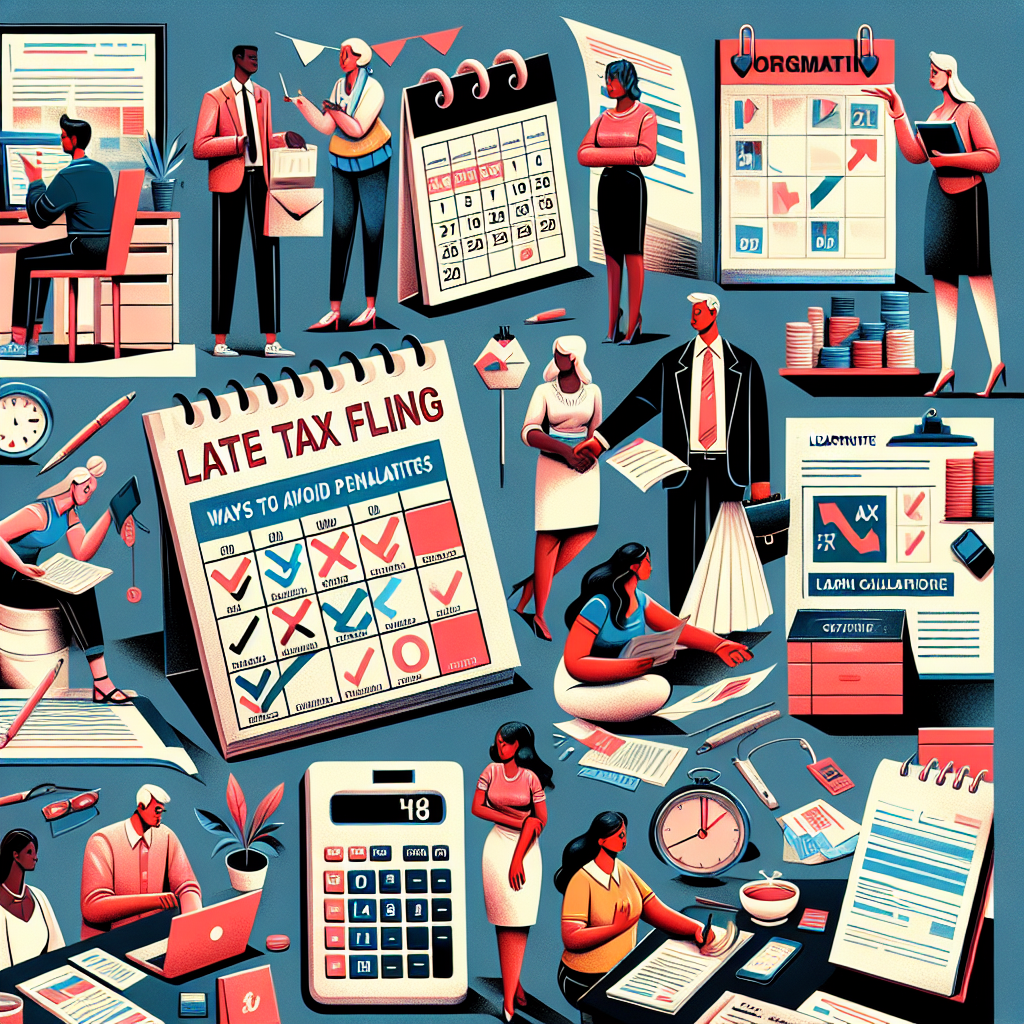

Filing taxes late can lead to a myriad of issues, including facing penalties from the Internal Revenue Service (IRS). For individuals who have missed the tax filing deadline, understanding and following the right steps can help mitigate the potential consequences. In this article, we will explore the top tips to avoid IRS penalties after late tax filing, offering practical guidance for those in this situation.
Understanding the Late Filing Penalty
The focus keyword for this article is crucial—it can be the difference between facing hefty IRS penalties and successfully navigating a late tax filing situation. When you file your taxes after the deadline, the IRS imposes a late filing penalty, which is typically 5% of the unpaid taxes for each month or part of a month that your return is late, up to a maximum of 25%.
Request an Extension
If you anticipate not being able to file your taxes on time, it’s essential to request an extension. By submitting Form 4868 before the deadline, you can get an automatic extension of up to six months. While this doesn’t extend the time to pay any taxes due, it can help you avoid the late filing penalty.
File Your Taxes as Soon as Possible
If you have missed the deadline, the next best step is to file your taxes as soon as possible. The longer you delay, the more you will have to pay in penalties and interest. By taking immediate action and submitting your return, you can minimize the financial impact of filing late.
Pay What You Owe
Even if you are unable to pay the full amount of taxes owed, it’s crucial to pay as much as you can. By making a partial payment, you can reduce the penalties and interest that will accrue on the remaining balance. Additionally, consider setting up a payment plan with the IRS to avoid further penalties.
Communicate with the IRS
If you are facing difficulties or hardships that have led to your late tax filing, it’s essential to communicate with the IRS. In some cases, the IRS may waive or reduce penalties for reasonable cause, such as a medical emergency or a natural disaster. By explaining your situation and providing supporting documentation, you may be able to come to a favorable resolution.
Seek Professional Help
Navigating the complexities of late tax filing and IRS penalties can be overwhelming. Seeking help from a tax professional or accountant can provide you with expert guidance and support. They can assist you in assessing your tax situation, preparing and filing your return, and negotiating with the IRS on your behalf.
Stay Organized for Future Tax Seasons
To avoid finding yourself in a similar situation in the future, it’s essential to stay organized when it comes to your taxes. Keep track of important deadlines, gather all necessary documents, and consider setting reminders to ensure timely filing. By developing good tax habits, you can minimize the risk of facing IRS penalties in the future.
In conclusion, while filing taxes late can result in IRS penalties, there are steps you can take to mitigate the repercussions. By understanding the late filing penalty, requesting an extension, filing promptly, paying what you owe, communicating with the IRS, seeking professional help, and staying organized, you can navigate a late tax filing situation successfully. Remember, addressing the issue proactively and responsibly can help you avoid unnecessary financial liabilities and stress.